
To comprehend where technology is in the present we must take a look at the foundations of AI. In its essence AI compliance software is a class of governance systems for enterprises that is designed to oversee monitor and control the actions of AI models in an organisation. When enterprises first implemented basic machine learning algorithms compliance was primarily tests that were static and point in time.
Teams used the basic AI compliance software to document the data that models were developed on check that it was not violating the primary privacy laws for data as well as check for any basic social bias. This was basically just a checklist but it was also an official system.
These older versions of AI compliance software were mostly manually and reactive. If the output of a model changed in time or began to make improper decisions the system did not immediately recognize the problem until the next audit.
The system relied completely on human experts to fill the gap between complicated laws and algorithms. code. This approach worked in isolated predictive models for example credit scoring instruments or recommendation engines it rapidly was unable to sustain as companies began taking on large language models and autonomous agents that were capable of creating new material and running workflows with no human supervision.
In the present AI compliance software refers to a much more advanced system. It’s the linkage between a firm’s technology design and its legal obligations. Modern technology continuously converts shifting regulations into automated operational safeguards. Through monitoring the model’s inputs outputs as well as internal decision making processes AI compliance software ensures that the algorithms are secure clear transparent as well as legally compliant throughout the entire duration of their life.
2026’s Forcing Functions What is the reason AI compliance software is Non Negotiable
The financial and regulatory environment in 2026 is completely distinct from the one of one year earlier. The days of ethical guidelines that were voluntary and self policing is over and been replaced by strict regulations deadlines and uncompromising reality of financial transactions. Thus using enterprise grade AI compliance software is no an innovative idea that is advancing; it’s an essential requirement to ensure the continuity of business.
The Enforcement of Global Artificial Intelligence Mandates
The primary driver for the rapid growth of AI compliance software is the shift of large global frameworks that were previously considered as draft proposals to lawful regulations. The regulatory bodies around the world have created layers of risk classification that require businesses to thoroughly evaluate how their products impact the safety of humans privacy and data as well as civil rights.
For systems with high risk The compliance cost is huge. Companies must keep safe and secure logs perform continuous assessments of risk and show the operation is in order. AI compliance software can provide the needed automation required to satisfy these requirements.
Without the right AI compliance software maintaining the necessary level of technical documentation that ranges from the algorithmic logic tracker to logs of data provenance is almost impossible.
Businesses that are not using the automated AI compliance software have to contend with significant bottlenecks because manual processes are unable to keep pace in tandem with new regulation updates which increases the risk of missing evidence resulting in the dreadful effect of fatigued audits.
The Corporate Insurance Catalyst
As regulatory authorities determine rules the market forces implement these rules. The major factor that is shaping the business climate in 2026 is the response of the insurance industry to risk that is automated. The major carriers are now actively eliminating artificial intelligence related liability in their standard corporate insurance policies. As traditional coverage does not automatically cover computer related failures the corporation’s policy on procurement has changed completely.
Businesses simply cannot take the risk of taking on risks that they can’t take on. Therefore chief financial officers and general counsels are now principal stakeholders in the purchase of AI compliance software. Insurance companies demand monetary quantifiable risk indicators rather than unsubstantiated policy statements. They are able to underwrite on the basis of verified data.
The most advanced AI compliance software fulfills this obligation by providing continuous proof that scores risk in a quantitative manner and providing exact technical audit trail that underwriters need to determine the price of and issues the AI specific liability protection. In this regard AI compliance software is the sole connection between the world of corporate innovation and security of financial transactions.

Architecture Shift from static checkpoints into Agentic AI compliance software
The technology behind AI compliance software has evolved to meet the demands of the systems it controls. In the process of moving away from basic chatbots and towards multi agent platforms where software agents collaborate with each other to complete complicated multi step processes the instruments for governance must be able to function as agents.
Continuous Asynchronous Monitoring
One of the most obvious patterns in the latest new generation of AI compliance software is the change from point in time synchronous checks to asynchronous continuous background monitoring. Traditional software required analysts to manually run a test or generate reports. Modern AI compliance software uses its own models that are precomputed as well as event driven pipelines to constantly enhance and track stream of data within the background.
It means that AI compliance software is actively following inference (the stage where a well trained AI model analyzes new data and formulates predictions) continuously. When an agent for financial transactions that is autonomous decides to carry out a transaction or flag an activity that is in violation of anti money laundering regulations and regulations AI compliance software AI compliance software recognizes an anomaly within the second it happens stopping from affecting the wider system.
Multi Agent Reasoning Pathways
For the control of highly complex workflows today’s AI compliance software platforms are using multi agent reasoning systems in and of themselves. These configurations are where the network of compliance experts work in a collaborative manner. A particular agent in AI compliance software AI compliance software might focus exclusively on monitoring the sovereignty of data making sure that the security of data does not cross the borders of a particular region.
In parallel another agent in this similar AI compliance software evaluates the main model’s output bias. A third agent monitors the security perimeter to detect adversarial threats for example rapid injection. In balancing automated and the human element This multi agent strategy can make compliance teams more efficient and allows AI compliance software to deal with the massive scale of today’s enterprises’ data environment.
Security and Privacy Software: The Convergence Privacy as well as AI compliance software
By 2026 the AI compliance environment is characterised by the convergence of several distinct risk based vectors. Privacy legislation cybersecurity frameworks and algorithmsic governance are no longer separate fields and are interspersed with requirements which AI compliance software must address comprehensively.
Addressing Data Sovereignty and the Private Cloud Shift
Geopolitics has profoundly influenced the development of strategies for digital infrastructure. Data sovereignty is the lawful concept that data is dependent on law of the nation in which it is stored and processed has evolved from being a simple compliance box to an executive level concern. The strict requirements for data storage in regional areas in all jurisdictions force businesses to think about the location they conduct their computation intensive processes.
Recent information on infrastructure indicates an enormous significant shift in the production of artificial intelligence workloads are swiftly shifting away from the cloud public and into private cloud settings. Companies cite rising cost of computing the lack of custom management as well as the massive demands for protection of data from the cloud public as major factors behind this move.
The high level AI compliance software plays a crucial role in this transition through the active enforcement of the rules for localization of data. An effective AI compliance software deployment continually checks where data is processed to ensure that the data is confined to legally defined geographic structures which protects organizations from enormous fines for transfers that cross borders.
Intersecting Frameworks and Automated Control Mapping
The days of organizing security privacy and model management in separate spreadsheets is over. Modern AI compliance software now automatically connects control points across multiple international frameworks. It is for example to ensure that your system is protected against access that is not authorized meets certain cybersecurity standards however it also meets the essential demands for resilience to operational issues within the financial industry in addition to regulations for minimization of data under global privacy legislation.
Centralizing these safeguards AI compliance software allows enterprises to set up the technical safeguards once and then instantly produce compliance proof in a wide range of legal frameworks. This reduces compliance work significantly streamlining inspections and making sure that the company does not spend time responding to the same basic concerns for various regulatory agencies.
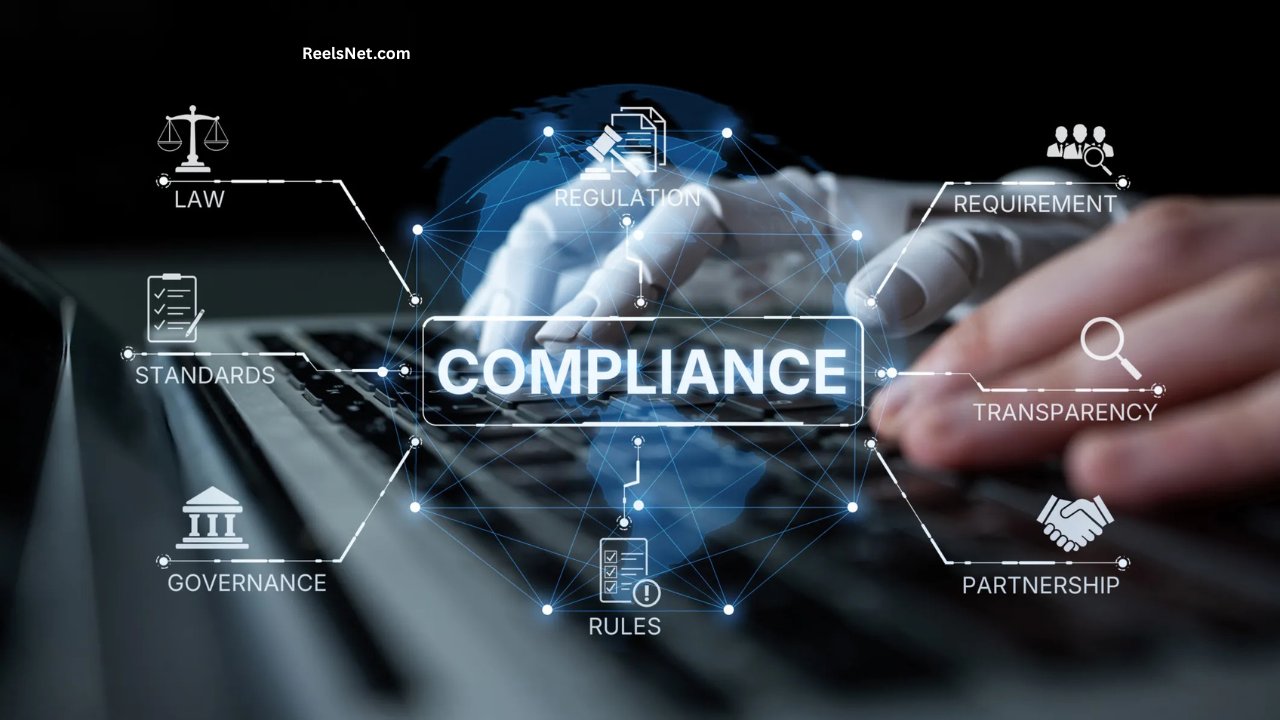
Essential capabilities in Modern AI compliance software Platforms
If you are a business planning to adopt these platforms understanding the capabilities and specifics of the 2026 era platforms is essential. Top of the line AI compliance software offers a variety of important features that can be negotiated to help promote operation discipline as well as real time monitoring.
Real Time Evidence Collection and Version Control
High performance AI compliance software platform continuously records every action of the system providing tamperproof evidence which can be crucial for audits by external auditors. The software automatically monitors changes to the training methodology tracks every version of the system and records a secure copy of the decision making algorithm’s context. Automated evidence collection in AI compliance software AI compliance software dramatically minimizes the stress associated with periods of audit making sure that documents are never out of date or deleted.
Explainability and the Eradication of the Black Box
Consumers and regulators increasingly require evidence of responsible governance. insisting on transparency when it comes to the automated process of decision making. This is why AI compliance software has to make sure that explainability is maintained. Instead of achieving perfect explanations of all technical aspects which is usually impossible mathematically with deep layered neural networks modern AI compliance software focuses on offering practical explanations and reflective frameworks.
AI compliance software analyzes the lineage of data and the logical routes that lead to an exact output. This gives compliance personnel an understanding of the reasons what caused a model to behave the way it did thus cutting down on the “black box” nature of artificial intelligence as well as establishing confidence.
Human Oversight and Immediate Stop Authorities
One of the primary technological control required by the 2026’s regulations is the need for a rigorous human oversight. Modern AI compliance software enables “stop button” function that provides the instant technological capability to stop an autonomous system in the event that it acts in an unconformity or is not adhering to ethics guidelines. A reliable AI compliance software gives users an incredibly intuitive dashboard that allows an individual human can analyze the flagged results and override algorithms in real time and safely record the actions to be reviewed in the future. While the software is operating with speed and efficiency the final control is in the humans’ hands.
From reactive to proactive Risk Management
The most important benefit of using AI compliance software in 2026 is to transform risk management away from a expensive recurrent burden into strategic proactive benefit.
In the past compliance issues were only addressed when a breach had occurred and resulted in a large amount of legal action destruction of consumers’ confidence and huge damage to the brand. Nowadays AI compliance software enables proactive compliance. Through addressing ethical legal operational and ethical issues at the very moment of data generation and modeling these software platforms make sure that non compliant actions are prevented from being carried out.
Additionally investing in top quality AI compliance software drastically shifts the culture of corporate America. This eliminates conflict between the engineering departments which want to develop models swiftly and legal teams that need to minimize the liability of corporations. As AI compliance software operates in the background AI compliance software operates seamlessly within the background designers can develop their designs with confidence within the pre approved and safe guidelines knowing the program will spot any anomalies. This aligns the company with a culture that is based on trust and good oversight allowing businesses to develop quickly without risking its moral standing or responsibilities under the legal obligations.
Conclusion
As the digital landscape moves further into the age of autonomous systems as well as complex neural networks. The technology employed to manage them need to be as modern. AI compliance software has swiftly developed from a niche segment of manual RegTech to an essential agent based infrastructure that provides modern enterprise security which ensures compliance with the strictest global regulations as well as meets the strict needs of the corporate liability insurance industry. Through automating evidence collection as well as enforcing the sovereignty of data and offering continuous monitoring of multiple agents the latest AI compliance software permits companies to expand their technology goals in a safe manner. In the future companies which will prosper are the ones who view AI compliance software not merely as a means of reducing administrative burden rather as the core structure of reliable durable as well as legally sound technological innovation.