
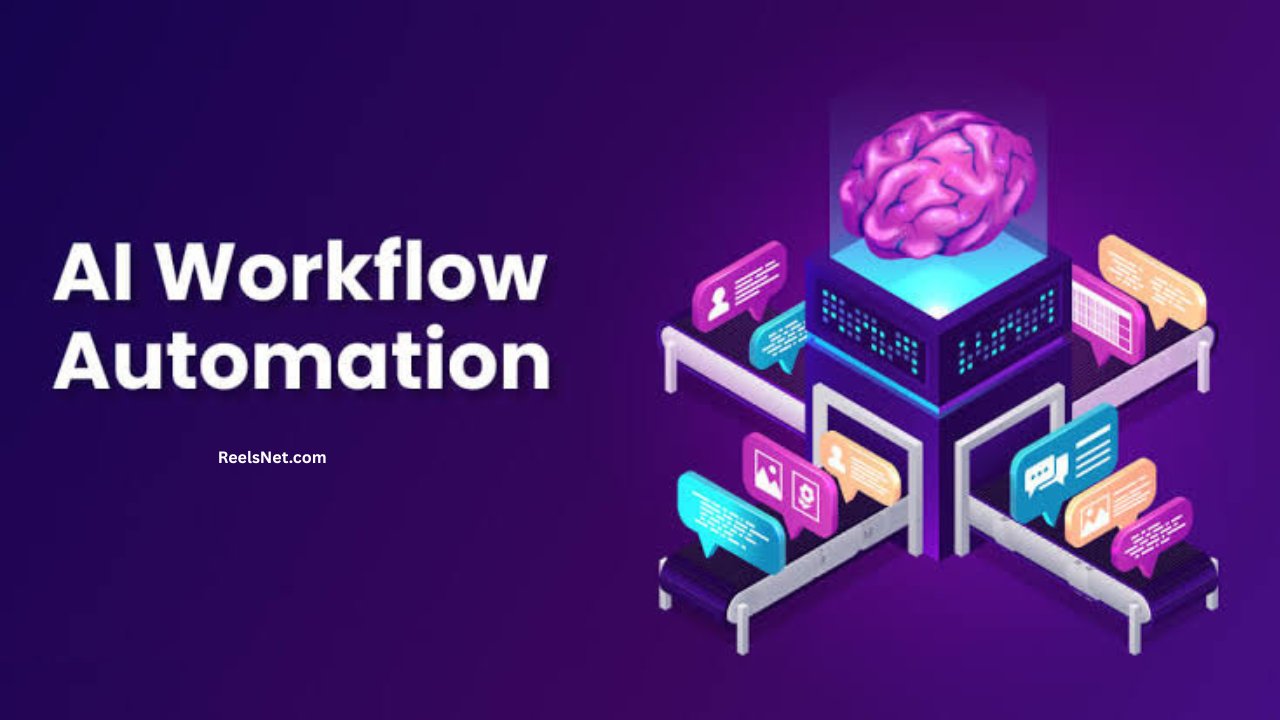
AI Workflow Automation Platform? In order to understand the major changes that are taking place in the corporate architecture It is crucial to understand what an old AI workflow automation platform is fundamentally signifies. In the past when companies initially attempted to shift away from manual processing of data the term “automation” was determined by rigid records systems and conventional
robot driven process automation. At the beginning the first version of an AI workflow automation platform was an application based software that incorporated basic machine learning algorithmic techniques conventional optical character recognition as well as
conditional logic that moved information in a structured manner along defined operating routes. The systems were based by following explicit directions: if the specified parameter was satisfied and the system was triggered it would send an exact single action downstream reaction.
The first stage of AI workflow automation platform focused mostly on descriptive data movement as well as fundamental deflection of transactions. The software for instance could decipher a textual string from an invoice digital template confirm that the invoice’s total was consistent with the purchase order’s line then send the document to the human manager’s
mailbox for approval by a manual. These systems did not provide the rich understanding flexibility and the cross application autonomy which characterize the modern computer. If a company changed their bill format for example by shifting the text box or
changing an item’s orientation on the line and orientation the old system would instantly fail which would result in the system being relegated into the manual queue. Although these earlier implementations reduced the basic tasks of data entry however they demanded human engineers to build manage and fix every process integration script or the conditional workflow rules.
The June 2026 Evolution: The Agentic Revolution
The technology industry is now at a pivotal point. It is moving away from tools that are passive towards autonomous execution driven processes. Modern AI workflow automation platform has developed into an intelligent system that is able to do much beyond simply following hardcoded guidelines that act as a goal driven manager to the contemporary enterprise.
Instead of awaiting an individual human to set up an order by step procedure modern AI workflow automation platform makes use of sophisticated foundation models as well as large action models to autonomously interpret higher level business requirements sketch the necessary logic pathways to accomplish multi step work within a splintered application environment and without the need for constant human supervision.
Moving Beyond Static Task Checklists
The traditional workflows of corporate organizations have for a long time suffered from operational silos as well as the annoyance of disconnecting apps. In the event that an enterprise implements the latest AI workflow automation platform in the present the platform replaces the static task checklists with a constantly evolving live data matrix. AI doesn’t view business operations as separate files or linear processes. Instead it sees everything in the corporate process as a single semantic graph.
In transforming to an advanced AI workflow automation platform businesses are replacing their static systems with continuously running loops in the context. It is able to understand the implications for business downstream of every step it takes. When a client files an intricate dispute with a contract it does more than only create a support request It analyzes the history of the contract assesses the value of the contract over time as well as the logs of warehouse delivery and then determines the most effective resolution before any human user opens the file.
Goal Driven Execution Over Conditional Rules
The primary flaw in older computers was the inability to deal with unpredictable structural changes or unclear inputs. Modern technology demands extraordinary adaptability and the most advanced AI workflow automation platform is able to thrive in environments that are not structured. Through the transition from strict rule based conditional logic to goal driven execution The platform employs advanced context based reasoning to tackle difficult operational problems.
This change lets this AI workflow automation platform the ability to examine the signals in the surrounding environment to learn from feedback loops that continuously repeat and auto correct when faced with unanticipated mistakes.
When the API ends up experiencing a sudden downtime or a vendor externally transmits data in completely different form it will not fail or bring about an entire system shutdown. The system autonomously evaluates different data paths reformats and re records the payload and moves on to the specified goal while notifying the difference for management examination.

Core Architectural Pillars of Contemporary Ecosystems
A resilient digital company requires an understanding of the technical foundations that enable modern automation systems to grow safely and effectively.
Cross System Enterprise Orchestration
The primary distinction of an industry leading AI workflow automation platform can be its ability to perform cross system enterprise orchestration. Data from corporate organizations is often broken up and scattered across old databases cloud based customer relationship applications and portals for enterprise resource planning and departmental specific software.
With no central AI workflow automation platform operating as a middleware platform for connecting these systems they are managing hundreds of weak customized integrations which are point to point. They take up developer resources and create the amount of technical debt.
Modern orchestration frameworks work as a smart control plane which is atop the technology stack that an organisation has in place. It makes use of advanced semantic data fabric and secured API connections to retrieve clean and sync data across a variety of different environment instantly. Its seamless data integration means that automated processes are able to
execute extremely complex cross departmental processes such as reordering international supply chains and global reconciliation of payroll and multi channel marketing adjustments all while keeping a single unifying data source across all enterprise infrastructure.
Multimodal Input Triggers and Contextual Comprehension
In addition the most current changes to the design of the AI workflow automation platform are based on the use of multimodal input triggers. Communication in business is not only restricted to neat well organized data rows in databases. It can be found as a jumble of text strings that are not structured scans of documents that are handwritten as well as live telephone conversations including voice notes visual screen shots.
Utilizing the multimodal AI workflow automation platform companies can receive inputs from voice text and image formats all in a single automated operation thread. It uses integrated computer visualisation and natural language recognition to analyze complex
layouts of documents and map relationships within interconnected tables recognize emotions in recordings of voice and immediately translate raw data into structured machine readable instructions. Multimodality helps to avoid the bottlenecking of operations and allows first line support channels as well as logistics departments in warehouses as well as field workers to run complicated automated sequences with the interface that makes the best sense at the time.
Low Code Democratic Accessibility for Operations
The increasing democratization of infrastructure for business is a major factor driving the deployment of an AI workflow automation platform all over the enterprise ecosystem. In the past creating the testing and then deploying an automated workflow was a process that required the use of a large amount of technical know how python scripting as well as lengthy IT authorization cycles. This caused severe operational bottlenecks as teams waited for months for the technical expertise needed to create simple productivity software.
This technology allows people who are not technical to securely interact with the AI workflow automation platform by using texts that prompt them. Managers of operations human resource experts as well as auditors of financials can create develop implement and then refine extremely customized automation workflows by with natural languages interfaces.
Instead of writing complicated conditional loops a user simply needs to instruct the system to track the inbound email address and extract compliance related parameters from PDFs attached and cross reference them with an internal data warehouse and then flag any differences that is greater than five percent. The software that analyzes the message and then determines the safe technical connections and then initiates the procedure and IT admins have complete oversight and control using the central monitor.
Governance Compliance and the Critical AI Gateway
Automated platforms gain greater autonomy for operation and are able to interact with sensitive data the need to establish robust security and clear surveillance mechanisms is an essential requirement for deployment in enterprises.
The true operational speed cannot be achieved without absolute structural control. expanding autonomous systems require integrating control in the information flow instead of using compliance as an in between review.
Incorporating these effective control systems will require focusing on certain and overlapping aspects of risk control:
- Role Based access Guardrails The enforcement of granular access rights guarantees that automated systems can only connect to the data fields in databases as well as the application layers that are required to complete their work.
- Impermanent Ledger Logging: Keeping an unalterable permanent record of every algorithmic choice or model call as well as changes to the database prevents data alteration and helps streamline reporting to regulators.
- Data Sovereignty: Auditing automatically the distribution of data streams ensures the security of sensitive data within the legally mandated national boundaries.
- Hallucination Fences: Using real time evaluation layer that checks the model’s outputs against reliable corporate databases prevents inaccurate or faked information from entering workflows for production.
Automated Continuous Auditing Infrastructure
With the global regulatory frameworks becoming more stringent and require verifiable security a complete AI workflow automation platform is required to include continuous automated auditing processes. Relying on point to time traditional manual reviews of compliance is ineffective when you are processing millions of data related transactions that are automated each week.
Modern governance frameworks deal with the issue by integrating standards for compliance directly in the engine that executes. Each transaction extraction or system cross reference creates precise real time audit logs on a regular basis. The system continuously checks its own processes for possible violations of data policies or compliance violations.
When an automated system fails to read a file with non masked personal data or send the record through an unauthorised external device the platform immediately stops the process and warns security managers and security administrators alerting them before the risks grow into expensive compliance infractions.
Resilience Over Raw Cost Optimization
The corporate narrative around the acquisition of software has undergone an increase in quality over the past thirty days. The corporate leaders shift their attention on less slick hype and non specific tools opting instead to focus on the stability of their operations as a system. Businesses that focus on a well governed AI workflow automation platform are able to demonstrate more resilience in the face of fluctuations in markets or updates to internal infrastructure.
The current goal of automation does not just mean slashing the number of employees or reduce spending on software. In fact business purchasers are looking at systems based on their errors control redundancy of systems as well as their speedy ability to recover. The resilient design makes sure that in the event that a crucial third party software program experiences unintentional interruption The automation framework is able to automately redirect current workloads to other nodes hold the inbound transactions securely as well as ensure the integrity of data making sure that business operations continue uninterrupted.
Structuring the Human in the Loop Safeguard
Although workflows that are agent based can run at record breaking speeds ensuring an efficient human in the loop design process is crucial for the long term operation security. A properly constructed AI workflow automation platform does not attempt to separate the human mind; rather it focuses on when humans are included in the process.
The software assigns specific assurance metrics for each extraction classification and automated decision that it takes. If an action falls short of an established confidence threshold or is in a risky operational aspect like a massive financial transaction or termination of a vendor contract the system stops processing and passes the issue to an individual reviewer.
The reviewer interacts via a user friendly interface which clearly outlines the context of the data allowing the user to swiftly decide whether to approve alter the proposal or deny it decision. This collaboration makes sure that even when routine tasks are performed at a rapid pace the human shrewdness ethical judgment and oversight for strategic decisions control every crucial business event.
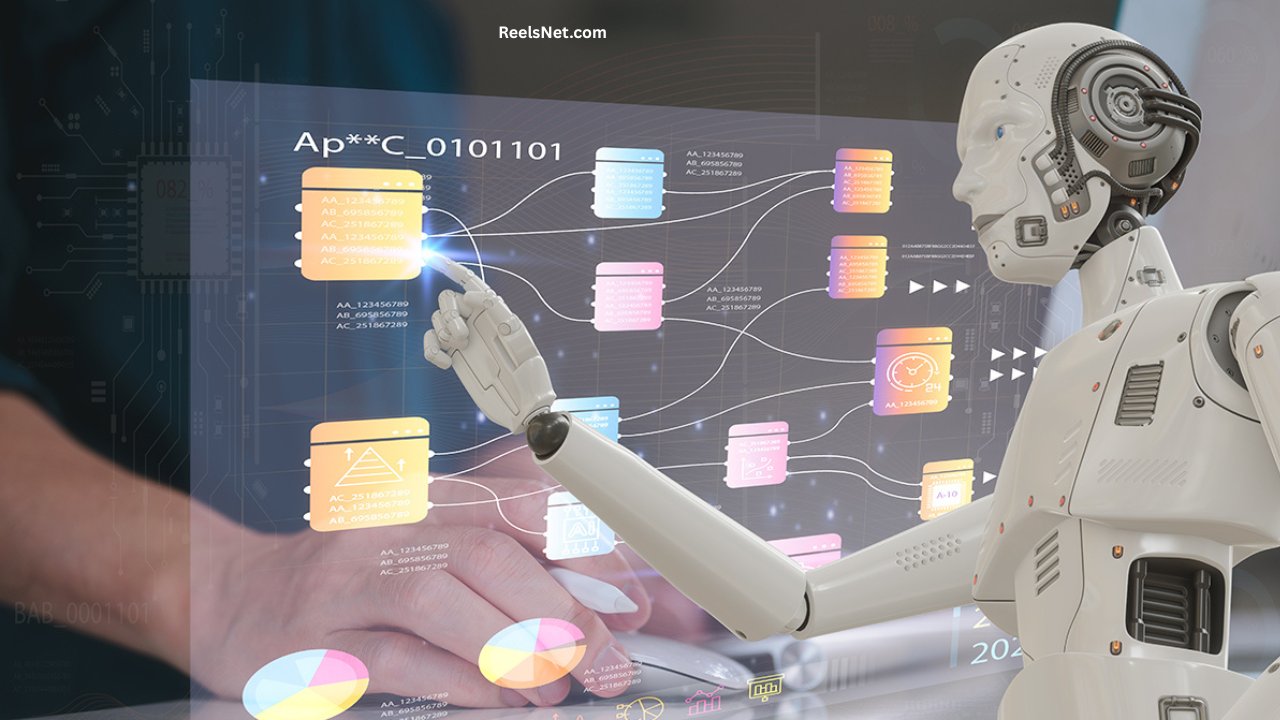
Quantifiable Enterprise Performance and Returns
Implementing an intelligent and advanced framework will provide immediate tangible improvement in the speed of operations financial control as well as the accuracy of systems.
- The Decision Velocity Acceleration process: Moving towards autonomous execution can compress time to end processing times dramatically from traditional multi day schedules to an easy in real time resolution loops.
- Transaction Error Elimination The elimination of manually entered data as well as brittle older integrations brings overall the rate of defects down to a strict minimum Margin.
- Operational Capacity Increase Team members are each able to experience an enormous productivity boost and allow operational teams that are lean to manage exponentially larger volume of transactions without burning out.
- Integration Maintenance Reduced: Centralizing the connectivity of an efficient platform reduces application maintenance for integration significantly because it eliminates dependencies between point and point.
- Control Risk Mitigation for Compliance: Automating control mapping as well as ongoing auditing processes provides directly reduced risk of security breaches and the associated sanctions from the regulatory authorities.
Measuring True Decision Velocity
If assessing the financial return of a new connected AI workflow automation platform management teams should look beyond cost savings. The traditional metrics for measuring efficiency solely by counting the savings in hours or fewer data entry posts fail to recognize the full strategic benefit of automated intelligent processes.
The most crucial metric to monitor in the modern digital world is decision velocity which measures the time at which an enterprise can gather market data to analyze the implications of competition and formulate a suitable operational reaction and implement this response across all channels. A modern platform turns data infrastructure into an agile asset reducing decision making cycles between weeks and minutes. This revolutionary speed allows companies to take advantage of market opportunities that are brief solve customer problems immediately and beat slower competitors effortlessly.
Maximizing System Longevity and Avoiding Technical Debt
One of the biggest challenges for business tech leaders is the speedy death of custom software as well as the increasing cost of debts incurred by technology. If developers are developing and fixing custom integration scripts for disconnected applications they develop an insecure infrastructure that is becoming increasingly costly to manage as time passes.
A solid central AI workflow automation platform eliminates this risk because it provides an abstraction layer between the individual software programs and the underlying business processing. When the applications themselves are upgraded and replaced or moved into new cloud environments and workflows for business are not affected.
It handles API reconfigurations and schema translations on its own significantly increasing the longevity of technology investment as well as allowing teams to focus their energy and creativity on developing innovative ways to grow their business.
My Final Words About AI workflow automation platform
The landscape of enterprise operations is experiencing an eminent Renaissance in architectural design. Beyond the strict rules of the traditional computer generated software scripts based on rules today’s advanced automation systems are autonomous intelligent engines that are capable of profound semantic reasoning orchestration of multiple systems and real time contextual adaption.
The final decision is to select the most suitable AI workflow automation platform will be the primary choice for any business that is trying to attain true digital scale safe data management and long term operational resilient.
Through a successful integration of the benefits of low code accessibility as well as multimodal flexibilities and a transparent oversight of human in the loop These platforms enable modern enterprises to convert chaotic non structured data into exact and continuous value for the enterprise creating a sustainable competitive advantage in a complex and dynamic global market.