
The business world of today changes rapidly and requires extremely connected and agile technological infrastructures. Businesses are shifting from isolated software systems to sophisticated interconnected digital ecosystems. The principle of connecting different enterprise applications and operating in a unified manner is growing exponentially.
Expectations of the consumer and strict regulations make it imperative to have smooth data exchange between departments. Companies that operate with disparate data silos face major productivity limitations and huge gaps in communication. Integrating a solid ERP system integration is now vital to create an extremely responsive and flexible enterprise framework.
What is ERP System Integration?
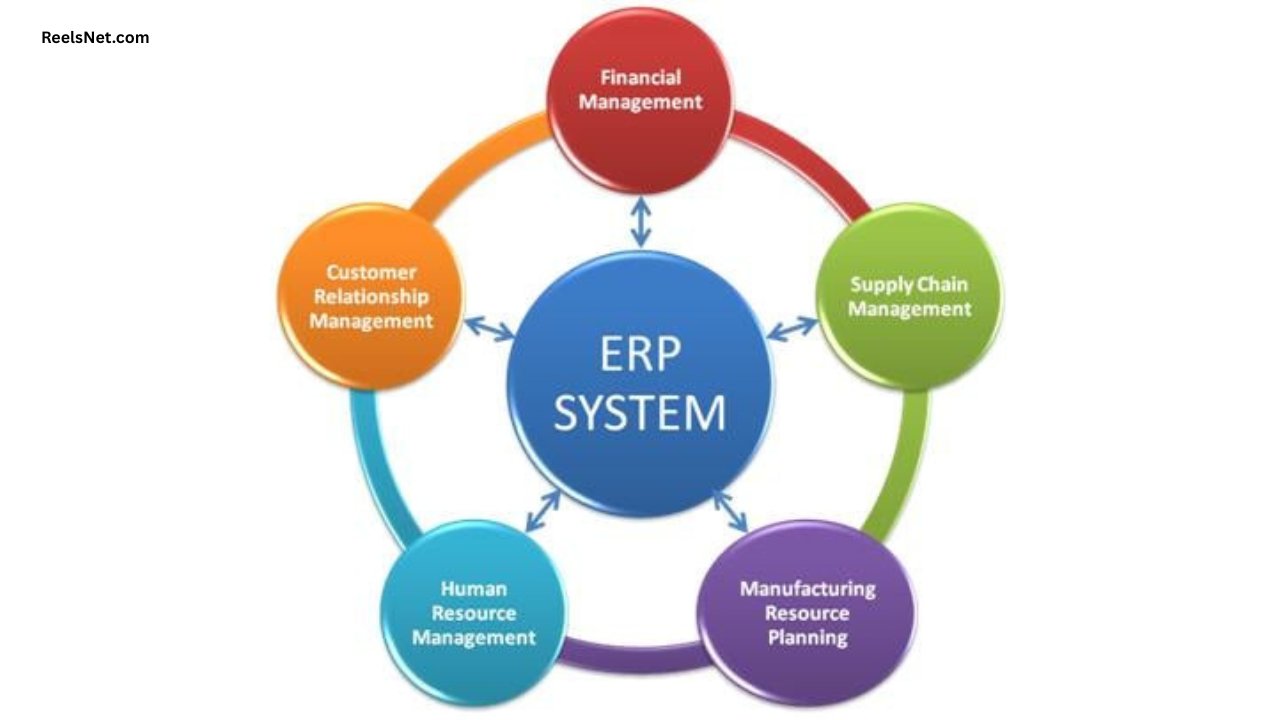
The term “traditionally” ERP system integration refers to the method linking ERP systems to other critical enterprise applications. The vital connection ensures that different software applications like customer relationship management tools or tools for supply chain management will instantly share data. This creates a seamless digital system where information can flow effortlessly without human involvement or lengthy entering of data.
The principal goal of the conventional ERP system integration has always been to create an unifying source of information to all corporate data. Prior to these integrations the companies had to deal with huge disparities in data because every department was responsible for its own database. A proper integration eliminates damaging data silos and guarantees everyone has access to exactly the same exact operational details.
The Core Mechanics of Connectivity
Connecting complicated enterprise software generally calls for specialized middleware applications programming interfaces or integrated platforms that are specifically designed for. The bridges are digital translators that allow diverse software languages to interact effortlessly in real time. A successful ERP system integration instantly triggers the necessary update for all the connected apps each time a user changes an individual data element.
When for instance the salesperson is able to close a deal through the portal to customers it automatically updates the central financial ledger as well as the inventory management system. The synchronization prevents crucial inventory issues and also ensures that accounting departments can create accurate invoices immediately. In the end ERP system integration completely eliminates the load of duplicated data manually out of the everyday responsibilities of employees.
Why 2026 Marks a Turning Point for Digital Ecosystems
The market for enterprise software is rapidly maturing and is moving beyond the basic point to point connectivity. Organizations require immediate access to their activities and demand precise instantaneous information synchronisation across places. The increasing complexity of todays digital systems makes the latest ERP system integration an absolute imperative requirement not an unimportant technical choice.
A heavy reliance on rigid custom scripts as well as localized server equipment is rapidly becoming outdated in the fast paced global business. An extremely volatile world economy requires a robust enterprise architecture which can quickly adapt to unexpected disruptions to supply chains or abrupt market shifts. Therefore putting a premium on flexible ERP system integration empowers organizations to build modular digital elements which can easily adapt to unexpected changes in operational conditions.
The Rise of Cloud Native and Modular Architectures
Clouds that are private as well as public have been dominating the business software market offering unmatched flexibility in operations. Cloud based environments enable businesses to expand their computing capacity up or down in a matter of minutes based upon immediate requirements of their departments. The implementation of cloud based ERP system integration ensures that companies can quickly add operational new modules without compromising the systems core design.
The move to flexible enterprise software will mean that firms no longer need to buy massive unidirectional software suites. Instead theyll be able to create extremely specialized software components which are tailored to meet their specific industry needs. The latest ERP system integration ties these various modular elements together and ensures continuous patching of security as well as automatic updates to the platform.
API First Design Principles
Modern software development strongly emphasizes the application programming interface first method which is fundamentally simplifying the way the different software programs work together. This design ethos focuses on creating flexible protocols for communication prior to developing the user interface. Implementing an API first approach cuts down on the necessity for costly customization of any ERP system integration initiative.
This method of streamlined design allows rapid deployment of important software updates. It also significantly reduces total maintenance expenses over the long term. If a business has to incorporate a brand different application to its tech stack The API framework readily allows for the new addition. Secure ERP system integration leverages these sophisticated API frameworks to ensure the most scalable and accessible digital enterprise.
Key Technological Drivers Shaping the Market
Artificial Intelligence is totally transforming how companies interact with their operational and financial data streams. Modern systems have been able to incorporate generative AI capabilities directly into their core layer of integration. Recent ERP system integration projects heavily employ these sophisticated algorithms to study patterns in data and detect critical processes issues immediately.
Intelligent assistants allow users to access complex databases by using basic natural languages commands. This groundbreaking feature makes advanced data analysis accessible to everyday users with no technological background. Implementing forward thinking ERP system integration ensures that these incredibly powerful AI engines are precisely designed to achieve highly specific business goals.
Hyper Automation and Machine Learning
Hyper automation makes use of advanced machine learning to automate complex business processes which in the past required supervision and judgment by humans. This advanced technology will automatically analyze fluctuations in pricing of suppliers as well as calculate logistics costs across the globe and immediately authorize the important buying decisions. Integrating a comprehensive ERP system integration is the only method to ensure that the whole digital ecosystem makes use of these capabilities.
Organizations drastically decrease their administration costs by allowing smart software to take care of regular invoicing as well as precise monitoring of inventory. The system learns specific habits of users as time passes and offers tactical operational suggestions without or manual guidance. A skilled ERP system integration carefully configures machines learning models in order to be in perfect alignment with your specific rules for compliance within your company.
Predictive Analytics Changing the Game
Forecasting with predictive accuracy has evolved from an optional feature to an absolute requirement for keeping the edge on competitors. Modern software suites incorporate powerful predictive engines into the standard financial dashboards as well as everyday flow of business workflows for supply chains. The seamless ERP system integration ensures that massive amounts of historical information are formatted correctly to feed these advanced forecasting algorithms in a correct manner.
These sophisticated software tools are able to anticipate the sudden surge in demand from consumers and can automatically alter the procurement schedules to avoid expensive stockouts. Logistics managers can efficiently improve worldwide shipping routes in real time using linked weather patterns as well as dynamic traffic analysis. Quality ERP system integration successfully unlocks this advantage and transforms operations data from the beginning into an enormous strategic benefit.
The Strategic Value of Two Tier Enterprise Architectures
The big multinational companies have historically tried to enforce a single robust software platform on each of their worldwide subsidiary companies. The outdated one size fits all model has created massive operational issues because regional offices have a variety of operational and legal needs. Modern business strategies typically use a two tier strategy which depends heavily on the seamless ERP system integration to maintain the corporate control while also allowing the flexibility of regional offices.
With this model that is highly advanced the headquarters for global corporations utilizes an enormous tier one system to manage central financial consolidation as well as allocation of resources. In contrast smaller regional offices use flexible cloud based tier two solutions specifically tailored to the specific market needs of their region. A strategic ERP system integration builds highly secured digital bridges across these different tiers to ensure continuous and precise sync of data in real time.
Linking Global Headquarters with Regional Offices
Two tier approaches are remarkably economical when compared with retrofitting a large corporate system to manage extremely specific regional workflows. It enables rapidly expanding companies to incorporate advanced technology without disrupting the worldwide software infrastructure. A comprehensive ERP system integration easily evaluates complicated organizational structures and determines precisely how the multiple layers of platforms can communicate effectively.
The process of acquiring new businesses is much more simple when a business runs on a remarkably adaptable two tier digital structure. A newly purchased business connects their existing software to its parents tier one system by using standard APIs. A visionary ERP system integration completely eliminates the enormous technical challenges that have been traditionally encountered in massive corporate mergers as well as complex acquisitions.
Unprecedented Scalability and Growth
A two tier modular strategy helps businesses grow exponentially with the right technological capabilities required at the local scale. If a company expands rapidly into a completely new location the local tier two system can easily scale up to handle the increasing transactions. The intelligent ERP system integration ensures that the rapid growth of the region will be immediately reported in worldwide financial statements at the headquarters of the company.
The dynamic structure completely eliminates the huge bottlenecking that can occur when the employees of a global network are trying to access one central server in a single. By distributing the technical workload among different connected tiers dramatically increases the overall responsiveness of platforms and greatly increases employee efficiency. A proper ERP system integration guarantees that the distributed work load remains secured synchronized and extremely effective throughout the day.
Overcoming Common Technological Challenges
The creation of a seamless digital ecosystem requires a planned approach one that goes beyond simply installing software. The most risky phase in any connectivity related project is usually the first data transfer followed by the system data synchronization. Implementing a meticulous ERP system integration requires incredibly rigorous data auditing processes to pinpoint and eliminate inaccurate inefficient information clusters.
Moving data that is duplicate or dirty into a completely new cloud infrastructure quickly ruins the whole multi million dollar technological investment. This severely undermines the precision of the latest artificial intelligence software and engineered predictive forecasting. In turn top ERP system integration dedicates massive quantities of work hours strict data cleansing as well as manual deduplication.
Prioritizing Data Quality and Governance
Extraction of the masters core data from obsolete legacy systems needs specialist software tools as well as an understanding of the databases architecture. After data is extracted it is carefully profiled to assess its accuracy and uniformity. The most effective ERP system integration utilizes advanced algorithms that quickly detect the missing fields in data and to establish the most important formatting structure.
The assignment of strict business side responsibility for each data field is crucial to ensure the long term accuracy of databases. Finance must totally control their chart of accounts as the team responsible for customer service has the ultimate responsibility for clients records. The reliability of ERP system integration deeply facilitates this duty of care and makes sure that data cleaning is a key business priority and not a technical issue.
Managing Complex Security and Compliance
With enterprise platforms becoming more and more connected to external cloud services the overall security risk increases naturally in a rapid manner. Criminals constantly scan the modern enterprise networks for flaws in the APIs of old and insecure authenticating protocols for users. Secure and highly secured ERP system integration strictly mandates that you immediately implement zero trust security protocols to safeguard extremely sensitive corporate information.
Security frameworks like these work on the basis that no individual or connected device can be trusted in default. Continuously confirming digital identities as well as precise micro segmentation of access privileges have become required for all connected device. Modern ERP system integration seamlessly weaves this robust security measure directly into the core software design from the initial day.
The Power of Integration Platform as a Service
The rapid growth of Integration Platform as a Service solutions have completely changed the way companies connect their complicated enterprise applications. The cloud based platform is dynamic and offers user friendly visually appealing interfaces which dramatically simplify the previously difficult process of connecting multiple apps. Utilizing these platforms for specific purposes makes ERP system integration significantly faster as well as more secure and significantly less costly to keep up.
Instead of using specialists in programming to write hundreds of lines of customized codes companies can use built in digital connectors. Digital connectors function as bridges made from scratch that connect the most popular customer relationship software directly with central databases for financial records. Making use of modern iPaaS tools speeds up ERP system integration times which allows companies to enjoy the benefits of operating a integrated ecosystem quickly.
Empowering the Business Through Low Code Tools
Development environments that do not require code quickly empowering business executives to create their own crucial operational workflows. These extremely intuitive systems use easy drag and drop interfaces which completely do away with the need for a deep technical expertise in programming. The latest ERP system integration strongly incorporates these tools that are user friendly to help accelerate constant digital advancement throughout all departments of the company.
Managers of departments and analysts can deploy rapid connectivity to the internet without having to wait for approval from the IT department. Digital autonomy now ensures that the critical processes in operation are quick to adapt to rapid change in the market and evolving demand from consumers. A seamless ERP system integration heavily relies on low code systems to decrease the huge development backlog and simplify the process of creating workflows for corporate clients.
Reducing IT Dependency and Bottlenecks
In the past IT departments of enterprise were constantly overwhelmed by calls to correct broken custom scripts or to create new reports. The huge operational bottleneck regularly hindered strategic projects and ultimately frustrated the business executives trying to upgrade their department. The implementation of modern ERP system integration efficiently reduces the technical burden to the IT department to these auto healing self healing systems.
Centralized monitoring dashboards will notify administrators of minor digital connections issues before they impact the actual operations of the business. They are often equipped with self correcting features which automatically redirect data streams when an API is temporarily offline. Secure ERP system integration completely frees IT teams within the company to focus on strategy rather than regular maintenance.
The Transformative Impact on the Supply Chain
The Internet of Things has revolutionized the way physical warehouse equipment works directly with the core digital software. Factory machines that are connected now transfer vital performance data directly to a central cloud database allowing for instant operation analysis. The highest quality ERP system integration ensures that these powerful sensor data streams seamlessly integrate within your huge digital infrastructure.
A continuous flow of manufacturing information allows plant administrators to program essential preventative maintenance ahead of time before the equipment actually fails. Logistics coordinators are able monitor massive international shipments at any time and update central inventory levels with no manually scanning barcodes. Modern ERP system integration is absolutely essential to unlock this incredible physical transparency and decreasing the overall downtime of equipment.
Achieving Ultimate Supply Chain Transparency
Modern supply chains cannot be operated as opaque systems; they need to operate as highly transparent ecosystems governed by constant digital communications. When a certain product is suddenly delayed the completely networked system will immediately notify the manufacturing floor to alter the schedule. Professional ERP system integration meticulously maps the various external data points to make sure your business is alert to disruptions in global logistics.
Utilizing these modern connectivity options significantly lowers the huge financial loss that is that are typically associated with sudden supply shortages. Businesses can ensure incredibly efficient warehouse operations while providing 100% availability to their customers who are the most demanding. Secure top ERP system integration remains the most reliable way to create the highly responsive completely globally interconnected supply chain.
Elevating the Modern Customer Experience
Nowadays consumers expect extremely fast high quality personalized service across each and every digital channel they make contact with businesses. If a consumer calls support the agent has to immediately view the customers entire history of purchases their present shipping status as well as previous complaints. The proper ERP system integration perfectly links the portal for customer support directly with the main operating databases for an unifying view.
When a client makes a complicated return online the online platform instantly alerts to the warehouse receiving the goods and the department responsible for finance. The automatic system creates a tracking label as well as prepares the financial refund and then changes the current inventory count with no input from a human. A flawless ERP system integration ensures that this smooth and effortless customer experience happen consistently creating enormous brand loyalty and generating the long term growth of revenue.
Conclusion
It is imperative to get away from disconnected and isolated software programs cannot be understated in the current highly competitive market. Unquestionably the benefits for business of Artificial Intelligence Hyper Automation and continuous real time data synchronization fully justify the complexity of linking systems. It is essential to prioritize an intelligent ERP system integration remains the best corporate approach for developing a resilient and transparent infrastructure for the organization.
In focusing solely on solid clean data adopting the flexibility of cloud based platforms as well as implementing zero trust security protocols businesses can ensure that their transformations are successful. Companies that are actively promoting the modernization of connectivity can easily beat competitors that still rely on outdated and broken operational procedures. The end result is that investing heavily on a complete ERP system integration ensures that your companys digital infrastructure is equipped to compete in the next world market.